
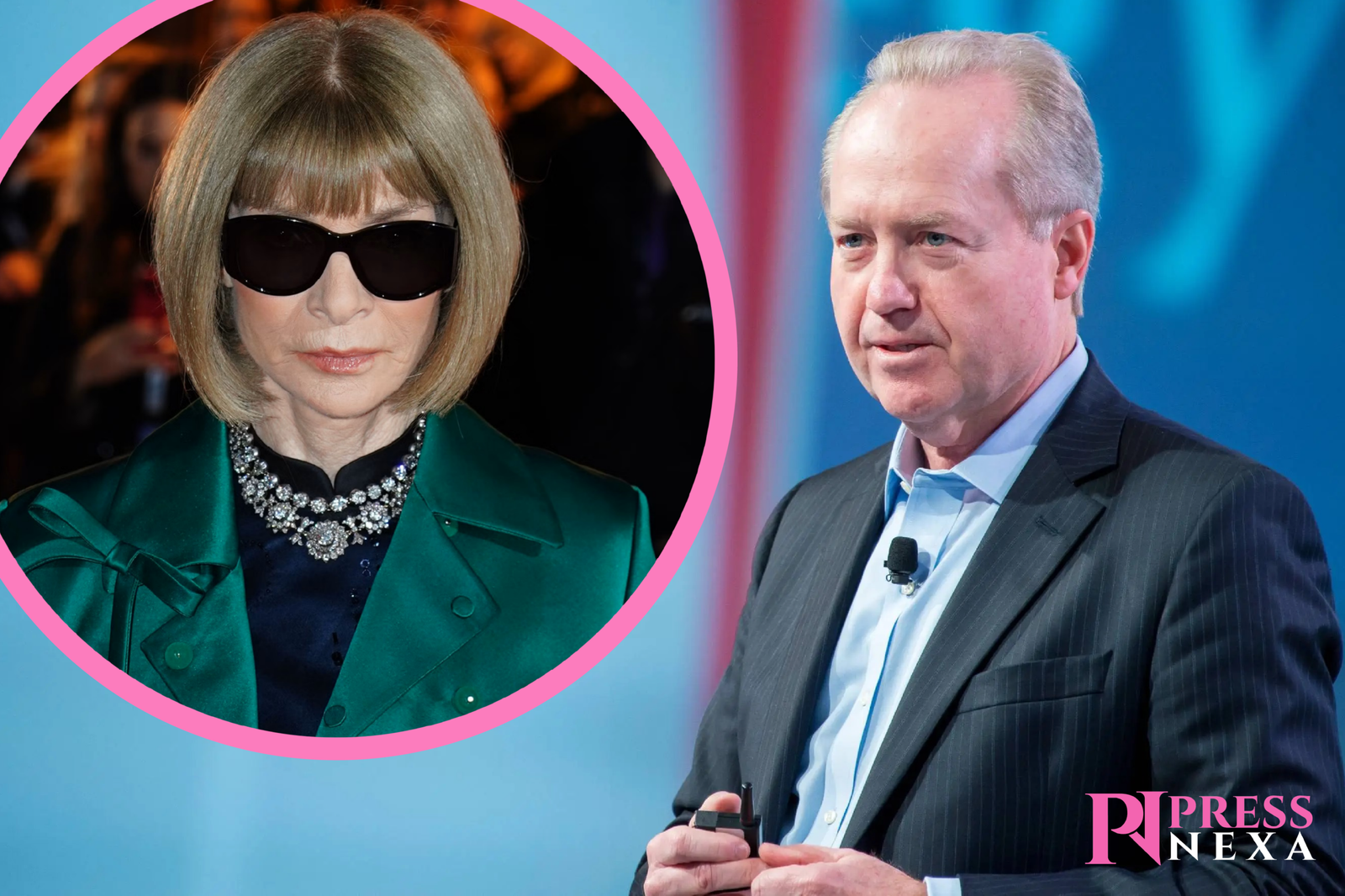
When two recognizable names appear together in the world of media, fashion, and entertainment, curiosity naturally follows. Tom Kennedy and Anna Wintour represent two very different areas of public life, yet both have connections to influential media careers and the broader culture surrounding journalism and celebrity. Their names can prompt questions about their professional backgrounds, personal lives, and whether there is a meaningful connection between them.
This article takes a closer look at the available context surrounding Tom Kennedy and Anna Wintour, while also exploring why names from different corners of the media world can attract attention when they are mentioned together.
Who Was Tom Kennedy?
Tom Kennedy was a well-known American television personality whose career became closely associated with game shows and television entertainment. Born James Edward Narz, he eventually became known professionally as Tom Kennedy and built a long career in American broadcasting.
His calm presentation style, clear voice, and friendly personality helped him become a familiar presence for television audiences. During an era when television was becoming an increasingly important part of everyday life, hosts such as Kennedy played an important role in creating the welcoming atmosphere that kept viewers coming back.
Throughout his career, Kennedy hosted several popular programs and became respected for his professionalism. His work reflected an earlier period of television when hosts were often central personalities rather than simply presenters. His ability to communicate naturally with contestants and audiences helped establish his reputation as an accomplished television figure.
Anna Wintour and Her Influence on Fashion
Anna Wintour belongs to a very different part of the media landscape. She is one of the most influential figures in modern fashion journalism and has played a major role in shaping how fashion is presented to the public.
Wintour became especially famous through her long association with Vogue, where she developed a reputation for having a strong editorial vision. Her distinctive appearance and decisive leadership style eventually made her recognizable far beyond the fashion industry.
Under her leadership, fashion magazines became more closely connected with popular culture, politics, entertainment, business, and celebrity. Rather than treating fashion as an isolated subject, Wintour helped position it as part of a much larger cultural conversation.
Her influence has extended beyond magazine pages. She has been involved with major fashion events, designers, photographers, celebrities, and charitable initiatives. As a result, Anna Wintour has become a symbol of editorial authority and influence.
Tom Kennedy and Anna Wintour: Why Are Their Names Mentioned Together?
The combination of Tom Kennedy and Anna Wintour can be intriguing because their careers developed in very different media environments. Kennedy was primarily associated with television entertainment, while Wintour became a leading figure in fashion publishing and editorial culture.
There is no widely established public narrative suggesting that the two were major professional collaborators. Instead, interest in their names together may come from broader searches involving media personalities, entertainment history, or questions about people connected to influential American cultural institutions.
It is important to distinguish between a genuine professional relationship and a simple association created by public interest. When two notable names appear together online, it does not necessarily mean that they worked closely together or shared a significant personal connection.
One interesting way to understand Tom Kennedy and Anna Wintour is to compare the different forms of influence they achieved.
Kennedy’s influence came largely through television. His job required him to connect directly with viewers, contestants, and studio audiences. He represented a style of broadcasting that emphasized warmth, consistency, and entertainment.
Wintour’s influence has been more editorial. Her role has involved deciding which stories, people, designers, and ideas deserve attention. Editorial leadership requires a different type of authority because the person behind the publication helps shape the conversation rather than simply presenting it.
Despite these differences, both careers demonstrate the importance of personality in media.
The Changing Nature of Media Influence
The careers of Tom Kennedy and Anna Wintour also provide an interesting perspective on how media has changed over time.
During Kennedy’s television career, audiences generally consumed entertainment through a relatively small number of major broadcast networks. Television personalities could become nationally recognized because millions of people watched the same programs.
The modern media environment is far more fragmented. Audiences now discover personalities through magazines, websites, social media, streaming platforms, podcasts, and other digital channels.
Anna Wintour’s career has continued across much of this transformation. Fashion publishing has had to adapt to a world where trends can spread instantly online and audiences can interact directly with celebrities, designers, and brands.
This makes editorial judgment more complicated than ever. The role of a major fashion editor is no longer limited to selecting content for a printed publication. It can also involve understanding digital culture, social trends, visual storytelling, and changing audience expectations.
Why Their Stories Remain Interesting
Tom Kennedy and Anna Wintour are interesting figures partly because they represent different generations and forms of media success.
Kennedy’s career reflects the golden age of television entertainment, when skilled hosts could become household names through regular appearances on nationally distributed programs.
Wintour represents another kind of media authority. Her career demonstrates how an editor can influence fashion, celebrity culture, photography, publishing, and even broader discussions about society.
Their stories show that there is no single path to becoming an influential media personality. Some people build their reputation through performance and broadcasting, while others shape culture through editorial decisions and creative leadership.
The Importance of Checking Public Information
When researching public figures, it is useful to separate established facts from speculation. Online searches can sometimes place two names together without providing enough context to explain their relationship.
This is particularly important when researching people from different professional backgrounds. A shared search result does not automatically establish a friendship, business relationship, family connection, or collaboration.
For readers interested in Tom Kennedy and Anna Wintour, the most useful approach is to examine each person’s career independently and then consider whether reliable information supports a connection between them.
A Broader Look at Their Legacy
Tom Kennedy’s legacy rests on decades of television work and his contribution to American game-show entertainment. His professional career helped define a style of television hosting that valued clarity, charm, and audience engagement.
Anna Wintour’s legacy is connected to her enormous impact on fashion journalism and her ability to make editorial choices that attracted international attention. Her influence demonstrates how a magazine editor can become a cultural figure in their own right.
Although their careers were very different, both demonstrate the power of media personalities to shape audience experiences.
Final Thoughts
The story surrounding Tom Kennedy and Anna Wintour becomes more interesting when viewed through the larger history of American media. Kennedy represents the world of classic television hosting, while Wintour represents the influential side of fashion publishing and editorial leadership.
Their professional paths show how dramatically the media landscape has evolved. Television once dominated popular entertainment, while magazines played a central role in defining fashion and cultural trends. Today, both industries operate within a much broader digital ecosystem.
Rather than assuming that two famous names appearing together automatically indicates a close relationship, it is better to explore the facts behind each individual. Tom Kennedy’s contribution to television and Anna Wintour’s influence on fashion journalism each stand on their own.
Ultimately, both figures offer an interesting reminder that media influence can take many forms. Whether through a television screen or the pages of a major fashion publication, talented media professionals can leave a lasting impression on audiences and become important parts of cultural history.
Read More: Noelle Watters: Career, Personal Life, and Public Interest Around the Television Personality
